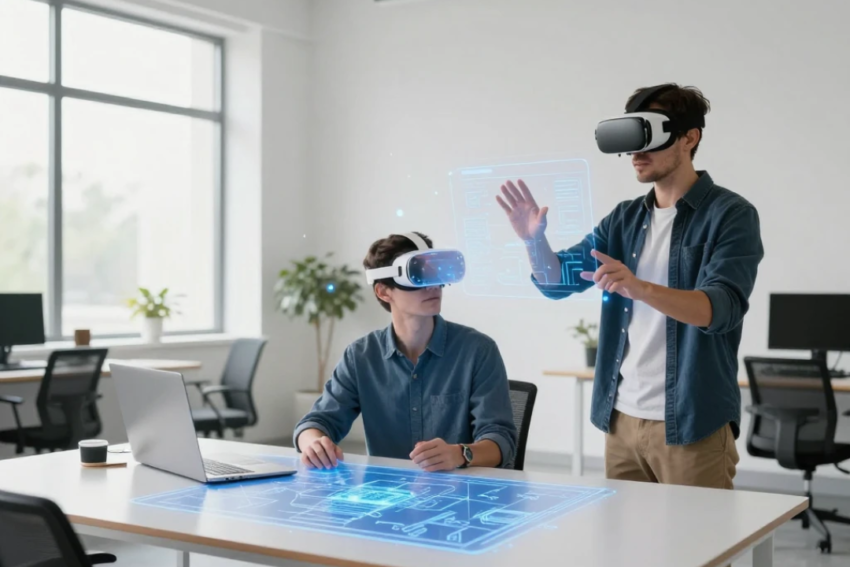
Introduction to AR and VR Technology
Technology is continuously changing the way people interact with the digital world. From smartphones and cloud computing to artificial intelligence, every innovation has transformed human experiences. Among the most exciting developments in modern technology are Augmented Reality (AR) and Virtual Reality (VR).
AR and VR technologies are creating new ways for people to experience digital content by combining the real world with computer-generated environments. These technologies are revolutionizing industries such as gaming, healthcare, education, retail, manufacturing, and entertainment.
While Virtual Reality creates completely immersive digital environments, Augmented Reality enhances the real world by adding digital elements to it. Both technologies are becoming powerful tools for businesses and consumers, opening new possibilities for communication, learning, creativity, and innovation.
This complete guide explains what AR and VR technology is, how it works, its benefits, applications, challenges, and why it represents the future of digital innovation.
What Is Augmented Reality (AR)?
Augmented Reality is a technology that adds digital information and virtual objects to the real-world environment. Instead of replacing reality, AR enhances it by overlaying computer-generated elements such as images, sounds, animations, or data.
AR experiences can be accessed through:
- Smartphones
- Tablets
- Smart glasses
- AR headsets
A common example of AR is a mobile application that allows users to see digital objects placed in their physical surroundings through a camera.
Examples of AR applications include:
- Navigation systems showing directions on real streets
- Shopping apps allowing customers to preview products
- Educational apps displaying interactive 3D models
- Gaming experiences that combine digital and real environments
What Is Virtual Reality (VR)?
Virtual Reality is a technology that creates a completely simulated digital environment. Unlike AR, which adds digital elements to reality, VR replaces the real world with a computer-generated experience.
Users experience VR through devices such as:
- VR headsets
- Motion controllers
- Sensors
- Specialized equipment
VR creates immersive experiences by tracking user movements and adjusting the digital environment accordingly.
Examples of VR applications include:
- Virtual gaming worlds
- Flight simulations
- Medical training environments
- Virtual tours
Difference Between AR and VR
Although AR and VR are related technologies, they provide different experiences.
Augmented Reality (AR)
- Enhances the real world with digital elements
- Users remain connected to their physical environment
- Often uses smartphones or smart glasses
- Commonly used in retail, education, and navigation
Virtual Reality (VR)
- Creates a completely digital environment
- Users are fully immersed in a virtual world
- Requires VR headsets and specialized devices
- Commonly used in gaming, training, and simulations
Both technologies have unique advantages and are shaping the future of digital interaction.
How AR and VR Technology Works
AR and VR rely on advanced hardware and software technologies to create realistic experiences.
1. Sensors and Cameras
Sensors and cameras collect information about the user’s environment and movements.
They help devices understand:
- Location
- Position
- Movement
- Surrounding objects
2. Computer Processing
Powerful processors analyze collected information and generate digital content in real time.
Fast processing is essential for creating smooth and realistic experiences.
3. Displays and Headsets
AR glasses, VR headsets, and mobile screens display digital content to users.
VR headsets create immersive environments, while AR devices overlay digital information onto the real world.
4. Artificial Intelligence
AI improves AR and VR experiences by helping systems understand environments, recognize objects, and respond intelligently.
Why Are AR and VR Important?
AR and VR are important because they are changing how people interact with technology. These technologies provide more engaging, interactive, and realistic digital experiences.
Major reasons for their importance include:
1. Enhanced User Experiences
AR and VR allow users to interact with digital content in more natural and immersive ways.
2. Improved Learning and Training
These technologies provide realistic simulations that help people learn skills safely and effectively.
3. Better Business Opportunities
Companies can use AR and VR to create innovative products, improve customer experiences, and develop new services.
4. Increased Creativity
AR and VR enable designers, developers, and creators to build new types of digital experiences.
Applications of AR and VR Technology
AR and VR are being used across various industries to improve efficiency and create innovative solutions.
1. Gaming and Entertainment
Gaming is one of the biggest industries benefiting from AR and VR technology.
VR gaming allows players to enter fully immersive virtual worlds, while AR games combine digital elements with real environments.
Benefits include:
- More interactive gameplay
- Realistic experiences
- New entertainment possibilities
Entertainment companies are also using VR for:
- Virtual concerts
- Digital events
- Immersive storytelling
2. Education and Training
AR and VR are transforming traditional learning methods.
Students can explore complex topics through interactive experiences.
Examples include:
- Virtual science experiments
- Historical simulations
- 3D learning models
- Virtual classrooms
Training programs use VR simulations to teach skills in realistic environments without real-world risks.
3. Healthcare and Medicine
Healthcare is one of the most promising areas for AR and VR applications.
Uses include:
- Medical training simulations
- Surgical planning
- Patient therapy
- Rehabilitation programs
Doctors can practice complex procedures in virtual environments before performing them on real patients.
VR is also used in therapy to help patients manage anxiety, stress, and certain psychological conditions.
4. Retail and E-Commerce
AR is changing the shopping experience by allowing customers to visualize products before purchasing.
Examples include:
- Trying virtual clothing
- Previewing furniture in a room
- Testing makeup products digitally
These experiences help customers make better decisions and increase confidence in online purchases.
5. Manufacturing and Engineering
Manufacturing companies use AR and VR to improve design, production, and employee training.
Applications include:
- Virtual product design
- Equipment maintenance guidance
- Employee training simulations
AR can provide workers with real-time information while performing complex tasks.
6. Real Estate and Architecture
AR and VR are transforming property marketing and design.
Real estate companies use VR to provide virtual property tours, allowing customers to explore buildings without visiting physically.
Architects use AR and VR to visualize designs before construction begins.
7. Tourism and Travel
AR and VR provide new ways to explore destinations.
Applications include:
- Virtual museum tours
- Digital travel experiences
- Interactive city guides
Travel companies can use these technologies to attract customers and provide previews of destinations.
Benefits of AR and VR Technology
1. Immersive Experiences
AR and VR create engaging experiences that traditional digital platforms cannot provide.
2. Better Training Solutions
Organizations can train employees in safe and realistic virtual environments.
3. Improved Customer Engagement
Businesses can create interactive experiences that attract and retain customers.
4. Cost Reduction
Virtual simulations can reduce the need for physical resources, travel, and expensive training environments.
5. Enhanced Collaboration
AR and VR allow people in different locations to interact in shared digital spaces.
Challenges of AR and VR Technology
Despite their potential, AR and VR technologies face several challenges.
1. High Costs
Advanced AR and VR hardware can be expensive for consumers and businesses.
2. Technical Limitations
Creating realistic experiences requires powerful hardware, fast processing, and advanced software.
3. User Comfort Issues
Some users may experience motion sickness, eye strain, or discomfort during extended VR use.
4. Privacy Concerns
AR devices often collect environmental and personal data, raising security and privacy concerns.
5. Limited Content Availability
More high-quality applications and experiences are needed to increase widespread adoption.
Future Trends of AR and VR Technology
The future of AR and VR looks highly promising as technology continues to improve.
1. Growth of the Metaverse
AR and VR are expected to play a major role in developing virtual worlds where people can work, socialize, and interact digitally.
2. Advanced Smart Glasses
Future AR glasses will become lighter, more powerful, and more practical for everyday use.
3. AI-Powered Experiences
Artificial intelligence will make AR and VR environments more intelligent, personalized, and interactive.
4. Expansion in Remote Work
Virtual collaboration spaces may transform how teams communicate and work remotely.
5. Improved Hardware
Future devices will offer better graphics, longer battery life, and more realistic experiences.
The Future Impact of AR and VR
AR and VR will continue changing how humans interact with digital information. These technologies are moving beyond entertainment and becoming important tools for education, business, healthcare, and communication.
As hardware becomes more affordable and software becomes more advanced, AR and VR will become part of everyday life. They will create new opportunities for innovation and redefine digital experiences.
Conclusion
AR and VR technology represent the future of digital innovation by creating immersive, interactive, and intelligent experiences. From gaming and education to healthcare and business, these technologies are transforming the way people learn, work, and communicate.
Although challenges such as cost, privacy, and technical limitations remain, continuous advancements are making AR and VR more accessible and powerful.
As the digital world continues to evolve, Augmented Reality and Virtual Reality will play a major role in shaping the future of technology and creating a more connected, interactive world.