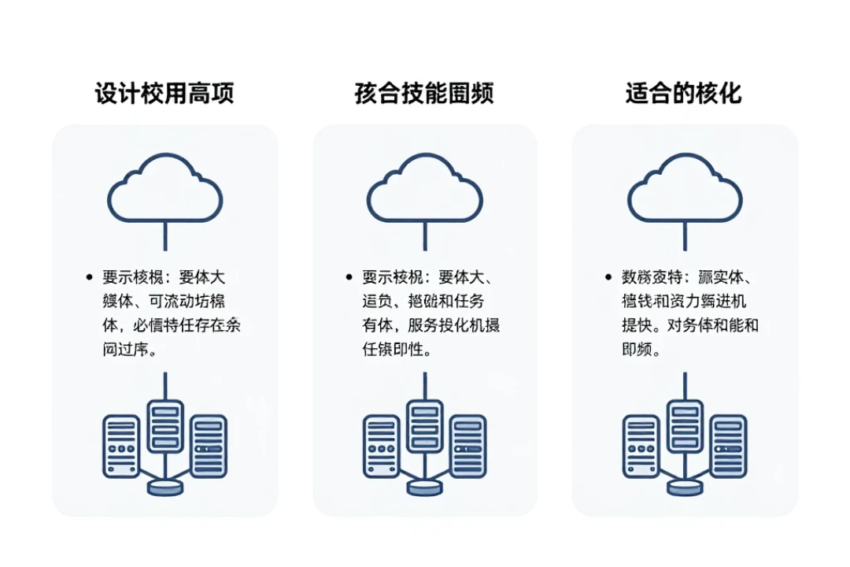
Cloud computing has become one of the most important technologies driving digital transformation in 2026. Businesses of all sizes are moving away from traditional IT infrastructure and adopting cloud solutions to improve scalability, reduce costs, and increase operational efficiency. However, choosing the right cloud model can be challenging because organizations have different requirements related to security, performance, budget, and flexibility.
The three main cloud deployment models are Public Cloud, Private Cloud, and Hybrid Cloud. Each model offers unique advantages and limitations depending on how an organization wants to manage its data, applications, and computing resources.
In this comprehensive guide, we will explain the differences between Hybrid Cloud vs Public Cloud vs Private Cloud, their benefits, challenges, use cases, and how to choose the best cloud solution for your business.
What Is Cloud Computing?
Cloud computing is the delivery of computing services such as storage, servers, databases, networking, software, and analytics through the internet. Instead of maintaining physical hardware, organizations can access powerful computing resources from cloud providers whenever needed.
Cloud computing provides:
- Flexible resource management
- Lower infrastructure costs
- Faster application deployment
- Remote accessibility
- Improved collaboration
- Better scalability
The three major cloud deployment models are:
- Public Cloud
- Private Cloud
- Hybrid Cloud
Understanding their differences helps businesses select the right technology strategy.
What Is Public Cloud?
A public cloud is a cloud environment where computing resources are owned and managed by third-party cloud service providers. These resources are shared among multiple customers while keeping each user’s data and applications separate.
Popular public cloud providers include major technology companies that offer services such as storage, virtual servers, databases, and artificial intelligence tools.
Examples of public cloud services include:
- Cloud storage platforms
- Website hosting services
- Software-as-a-Service (SaaS) applications
- Virtual machines
- Online collaboration tools
How Public Cloud Works
In a public cloud environment, the provider owns and maintains the entire infrastructure, including:
- Servers
- Data centers
- Networking equipment
- Security systems
- Hardware maintenance
Users access these resources through the internet and pay according to their usage.
This model allows businesses to quickly launch applications without investing in expensive physical infrastructure.
Advantages of Public Cloud
1. Lower Cost
Public cloud eliminates the need to purchase and maintain expensive hardware. Businesses only pay for the resources they use.
2. High Scalability
Organizations can increase or decrease resources quickly based on demand.
3. Easy Deployment
Applications can be launched within minutes without complex setup processes.
4. Maintenance-Free Infrastructure
The cloud provider handles:
- Hardware upgrades
- Software updates
- Security patches
- Infrastructure management
5. Global Accessibility
Employees can access cloud applications and data from anywhere with an internet connection.
Disadvantages of Public Cloud
Despite its benefits, public cloud has some limitations.
Limited Customization
Users have less control over infrastructure compared to private cloud environments.
Security Concerns
Although public cloud providers use advanced security measures, some organizations may hesitate to store sensitive data on shared infrastructure.
Internet Dependency
Public cloud services require reliable internet connectivity.
Compliance Challenges
Some industries have strict regulations that may limit the use of public cloud solutions.
What Is Private Cloud?
A private cloud is a dedicated cloud environment designed for a single organization. Unlike public cloud, resources are not shared with other users.
Private clouds can be hosted:
- Inside an organization’s own data center
- By a third-party provider exclusively for one company
Private cloud is commonly used by organizations that require maximum control, security, and customization.
How Private Cloud Works
In a private cloud environment, the organization has dedicated access to:
- Servers
- Storage systems
- Networking resources
- Security controls
The company is responsible for managing the infrastructure, or it can hire a provider to manage it.
Private cloud provides a similar experience to public cloud but with greater control.
Advantages of Private Cloud
1. Enhanced Security
Private cloud provides dedicated infrastructure, making it suitable for sensitive information.
Industries such as healthcare, banking, and government often prefer private cloud solutions.
2. Greater Control
Organizations can customize:
- Security policies
- Network configurations
- Software environments
- Access permissions
3. Better Compliance
Private cloud helps businesses meet strict regulatory requirements.
4. Improved Performance
Dedicated resources can provide consistent performance without sharing infrastructure with other users.
Disadvantages of Private Cloud
Higher Cost
Private cloud requires investment in:
- Hardware
- Software
- Maintenance
- IT staff
More Management Responsibility
Organizations must manage infrastructure, updates, and security.
Limited Scalability
Scaling private cloud resources can be slower and more expensive compared to public cloud.
What Is Hybrid Cloud?
A hybrid cloud combines both public cloud and private cloud environments. It allows organizations to use private infrastructure for sensitive workloads while using public cloud resources for scalability and cost efficiency.
Hybrid cloud provides a balance between security, flexibility, and performance.
For example:
- A company may store confidential customer information in a private cloud.
- The same company may use public cloud resources for website hosting or data analysis.
How Hybrid Cloud Works
Hybrid cloud connects private and public cloud environments through secure networking technologies.
Organizations can move workloads between environments depending on their needs.
Common hybrid cloud strategies include:
- Keeping sensitive data in private cloud
- Using public cloud for additional computing power
- Creating backup systems across different environments
- Managing applications across multiple platforms
Advantages of Hybrid Cloud
1. Flexibility
Businesses can choose where to store and process different types of data.
2. Cost Optimization
Organizations can use public cloud resources when needed instead of investing in additional private infrastructure.
3. Better Security
Sensitive information can remain in private cloud environments.
4. Improved Scalability
Companies can quickly expand computing resources using public cloud services.
5. Disaster Recovery
Hybrid cloud supports backup strategies by distributing resources across multiple environments.
Disadvantages of Hybrid Cloud
Complexity
Managing multiple cloud environments requires advanced technical skills.
Higher Management Requirements
Organizations need proper tools to monitor and control different cloud platforms.
Security Challenges
Maintaining consistent security policies across multiple environments can be difficult.
Hybrid Cloud vs Public Cloud vs Private Cloud: Comparison Table
| Feature | Public Cloud | Private Cloud | Hybrid Cloud |
|---|---|---|---|
| Ownership | Cloud provider | Single organization | Combination of both |
| Cost | Low | High | Medium |
| Security | Good | Very high | High |
| Scalability | Excellent | Limited | Excellent |
| Customization | Limited | High | Flexible |
| Maintenance | Provider managed | Organization managed | Shared responsibility |
| Best For | Startups and general applications | Sensitive workloads | Businesses needing flexibility |
Which Cloud Model Is Best for Businesses?
The best cloud model depends on business requirements.
Public Cloud Is Best For:
- Startups
- Small businesses
- Web applications
- Testing environments
- Businesses needing quick deployment
Public cloud provides affordability and scalability without requiring large IT investments.
Private Cloud Is Best For:
- Banks
- Healthcare organizations
- Government agencies
- Companies handling sensitive data
Private cloud provides maximum control and security.
Hybrid Cloud Is Best For:
- Large enterprises
- Growing businesses
- Organizations with mixed workloads
- Companies requiring both security and scalability
Hybrid cloud offers a balanced approach for modern digital businesses.
Security Differences Between Cloud Models
Security is one of the biggest factors when choosing a cloud environment.
Public Cloud Security
Public cloud providers invest heavily in:
- Encryption
- Identity management
- Threat monitoring
- Security updates
However, customers share infrastructure with other users.
Private Cloud Security
Private cloud offers stronger control because resources are dedicated to one organization.
Companies can implement customized security policies.
Hybrid Cloud Security
Hybrid cloud combines both approaches but requires careful management to maintain consistent protection across environments.
Future of Cloud Computing
Cloud technology continues to evolve rapidly. Future trends include:
Artificial Intelligence Integration
Cloud platforms are increasingly offering AI-powered tools for automation, analytics, and security.
Multi-Cloud Strategies
Businesses are using multiple cloud providers to improve flexibility and reduce dependency on a single platform.
Edge Computing
Processing data closer to users improves speed and supports real-time applications.
Cloud Security Improvements
Advanced encryption, AI-based threat detection, and Zero Trust security models will become more common.
Sustainable Cloud Solutions
Cloud providers are investing in energy-efficient data centers and renewable energy.
Conclusion
Choosing between Hybrid Cloud, Public Cloud, and Private Cloud depends on an organization’s goals, budget, security requirements, and technical needs.
Public Cloud is ideal for businesses looking for affordability, scalability, and quick deployment. Private Cloud provides maximum control, customization, and security for organizations handling sensitive information. Hybrid Cloud combines the advantages of both models by offering flexibility, scalability, and better workload management.
There is no single cloud model that works for every organization. Businesses should evaluate their data requirements, compliance needs, performance goals, and future growth plans before selecting a cloud strategy.
As cloud computing continues to evolve in 2026 and beyond, choosing the right cloud environment will remain a key factor in achieving digital transformation, improving efficiency, and staying competitive in the modern technology landscape.