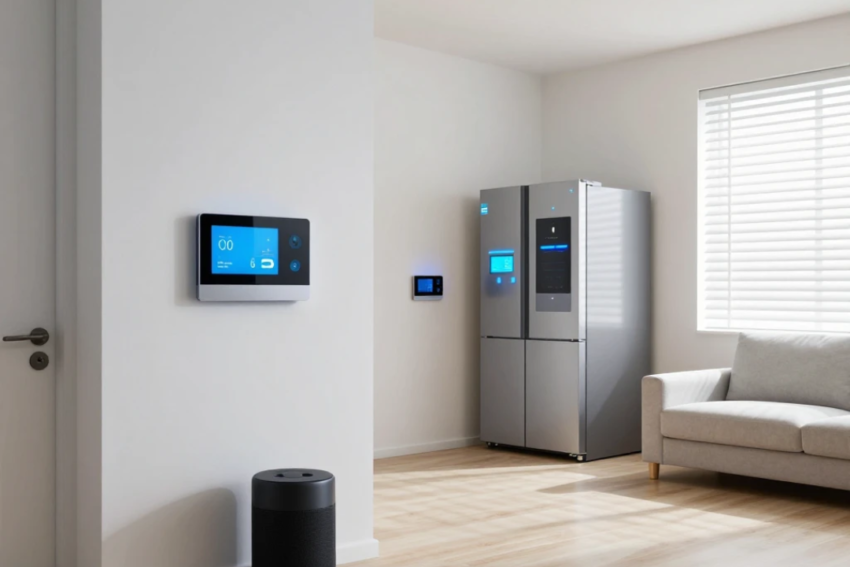
Introduction to the Internet of Things (IoT)
Technology is evolving faster than ever, and smart devices are becoming an important part of everyday life. From smart homes and wearable devices to connected vehicles and intelligent industrial systems, technology is changing how people live, work, and communicate. One of the biggest innovations behind this transformation is the Internet of Things (IoT).
The Internet of Things refers to a network of physical devices connected to the internet that can collect, exchange, and analyze data. These devices use sensors, software, and communication technologies to interact with each other and provide smarter solutions.
Today, IoT is transforming industries, improving efficiency, enhancing user experiences, and creating new opportunities for businesses and individuals. This complete guide explains what IoT is, how it works, its benefits, applications, challenges, and how smart technology is changing our world.
What Is the Internet of Things (IoT)?
The Internet of Things is a technology concept where physical objects are connected to the internet and can communicate with other devices and systems.
These connected devices can collect data from their environment, process information, and perform actions automatically without constant human involvement.
Examples of IoT devices include:
- Smart home appliances
- Fitness trackers
- Smart watches
- Connected cars
- Smart security cameras
- Industrial sensors
- Smart healthcare equipment
A simple example of IoT is a smart thermostat that automatically adjusts room temperature based on user preferences and environmental conditions. Another example is a fitness watch that tracks health information and sends data to a mobile application.
How Does IoT Work?
The Internet of Things works through a combination of hardware, software, networks, and data processing technologies.
The main components of IoT include:
1. Sensors and Devices
Sensors collect information from the surrounding environment. These sensors can measure temperature, movement, location, pressure, activity, and many other factors.
For example, a smart agriculture sensor can measure soil moisture and help farmers decide when crops need water.
2. Connectivity
IoT devices need communication networks to transfer data. They can connect through technologies such as:
- Wi-Fi
- Bluetooth
- Mobile networks
- 5G
- Low-power wireless networks
Connectivity allows devices to communicate with each other and share information.
3. Data Processing
After collecting data, IoT systems process and analyze information using cloud computing, artificial intelligence, or local computing systems.
Data analysis helps devices make decisions and provide useful insights.
4. User Interface
The final component is the user interface, where people interact with IoT systems through mobile apps, websites, or smart dashboards.
For example, users can control smart lights, security cameras, and home appliances through smartphone applications.
Why Is the Internet of Things Important?
IoT is important because it allows devices to become smarter, more efficient, and more connected. It helps individuals and organizations save time, reduce costs, and improve decision-making.
Some major benefits of IoT include:
1. Increased Efficiency
IoT devices automate tasks and optimize processes. Businesses can monitor systems in real time and improve productivity.
For example, factories use IoT sensors to track equipment performance and prevent unexpected failures.
2. Better Decision-Making
IoT devices generate large amounts of data that can provide valuable insights. Organizations can analyze this data to make smarter decisions.
3. Improved Convenience
Smart technology makes daily activities easier by automating routine tasks.
Examples include:
- Smart lighting systems
- Voice-controlled assistants
- Automated home security
4. Cost Savings
IoT helps reduce costs by improving energy efficiency, preventing equipment problems, and optimizing resource usage.
5. Real-Time Monitoring
IoT allows users and businesses to monitor devices and systems instantly from anywhere.
Applications of the Internet of Things
The Internet of Things is being used across many industries and areas of life.
1. Smart Homes
Smart homes are one of the most common examples of IoT technology.
Smart home devices include:
- Smart lights
- Smart thermostats
- Smart locks
- Smart cameras
- Smart appliances
These devices allow homeowners to control and automate household systems.
For example, smart lighting can automatically turn on or off based on schedules or motion detection, while smart security systems can send alerts when unusual activity is detected.
2. Healthcare and Smart Medical Devices
IoT is transforming healthcare by improving patient monitoring and medical services.
Applications include:
- Wearable health trackers
- Remote patient monitoring
- Smart medical equipment
- Connected healthcare systems
Doctors can use IoT devices to monitor patients remotely and receive real-time health information.
3. Smart Cities
Cities around the world are adopting IoT technologies to improve public services.
Smart city applications include:
- Intelligent traffic management
- Smart street lighting
- Waste management systems
- Environmental monitoring
IoT helps cities become more efficient, sustainable, and convenient for residents.
4. Agriculture and Smart Farming
Farmers use IoT technology to improve crop production and manage resources effectively.
IoT applications in agriculture include:
- Soil monitoring sensors
- Automated irrigation systems
- Weather monitoring devices
- Livestock tracking
Smart farming helps increase productivity while reducing water and resource waste.
5. Industrial IoT (IIoT)
Industrial IoT focuses on using connected devices in manufacturing and industrial environments.
Businesses use IIoT for:
- Equipment monitoring
- Predictive maintenance
- Quality control
- Supply chain optimization
Factories can analyze machine data to identify problems before equipment failures occur.
6. Transportation and Connected Vehicles
IoT is improving transportation systems through connected vehicles and smart infrastructure.
Applications include:
- Vehicle tracking
- Traffic monitoring
- Navigation systems
- Fleet management
Connected vehicles can communicate with other systems to improve safety and efficiency.
IoT and Artificial Intelligence
Artificial Intelligence (AI) plays an important role in making IoT devices smarter.
When AI and IoT work together, they create intelligent systems capable of learning from data and making decisions automatically.
Examples include:
- Smart assistants that understand user preferences
- Predictive maintenance systems
- AI-powered security cameras
- Intelligent energy management systems
The combination of AI and IoT is creating more advanced and automated technology solutions.
Popular IoT Technologies and Tools
Several technologies support the development of IoT systems.
Cloud Computing
Cloud platforms store and process IoT data. They allow organizations to manage large amounts of information efficiently.
5G Networks
5G provides faster communication speeds and lower delays, making it ideal for advanced IoT applications.
Edge Computing
Edge computing processes data closer to where it is generated, improving response times and reducing network usage.
Sensors and Embedded Systems
Sensors and small computing devices allow physical objects to collect and exchange information.
Challenges of the Internet of Things
Although IoT provides many benefits, it also creates several challenges.
1. Security Risks
Since IoT devices are connected to the internet, they can become targets for cyberattacks. Strong security measures are necessary to protect sensitive information.
2. Privacy Concerns
IoT devices collect large amounts of personal and environmental data. Protecting user privacy is an important concern.
3. Data Management
Millions of connected devices generate huge amounts of data. Organizations need effective systems to store, process, and analyze this information.
4. Compatibility Issues
Different IoT devices may use different standards and technologies, creating challenges in communication and integration.
5. High Implementation Costs
Developing and maintaining IoT systems can require significant investment in hardware, software, and infrastructure.
Future Trends of the Internet of Things
The future of IoT is expected to bring even more advanced and intelligent solutions.
1. Growth of Smart Cities
More cities will adopt IoT technologies to improve transportation, energy management, and public services.
2. Advanced Healthcare Monitoring
Wearable devices and remote monitoring systems will continue improving healthcare access and patient care.
3. More AI-Powered IoT Devices
AI integration will make IoT devices more intelligent, allowing them to learn, adapt, and make better decisions.
4. Expansion of Industrial IoT
Manufacturing and industries will continue using IoT for automation, efficiency, and predictive maintenance.
5. Improved Security Solutions
Future IoT systems will focus more on advanced security methods to protect connected devices and data.
Conclusion
The Internet of Things is changing the way people interact with technology and transforming industries around the world. By connecting physical devices and enabling them to communicate, IoT creates smarter, faster, and more efficient solutions.
From smart homes and healthcare to agriculture and industrial systems, IoT is improving everyday life and helping organizations make better decisions. Although challenges such as security, privacy, and data management remain, continued innovation will make IoT technology even more powerful.
As the number of connected devices continues to grow, the Internet of Things will play a major role in shaping the future of technology and creating a more connected world.